Replacing your roof is one of the most important(and most expensive) home improvement projects you’ll ever undertake. Whether your roof is nearing the end of its lifespan, showing signs of damage, or you’re upgrading for style and efficiency, understanding your options is key to making a smart choice.
Here’s a clear, homeowner-friendly guide to help you navigate the roofing decision process with confidence.
1. Know When a Replacement Is Necessary
Not every roof problem means a full replacement. But if your roof is nearing the end of its life or showing significant wear, replacement may be the best investment.
Common indicators it might be time to replace your roof include:
- Your roof is 20+ years old (common lifespan of many residential roofs). Today’s Homeowner
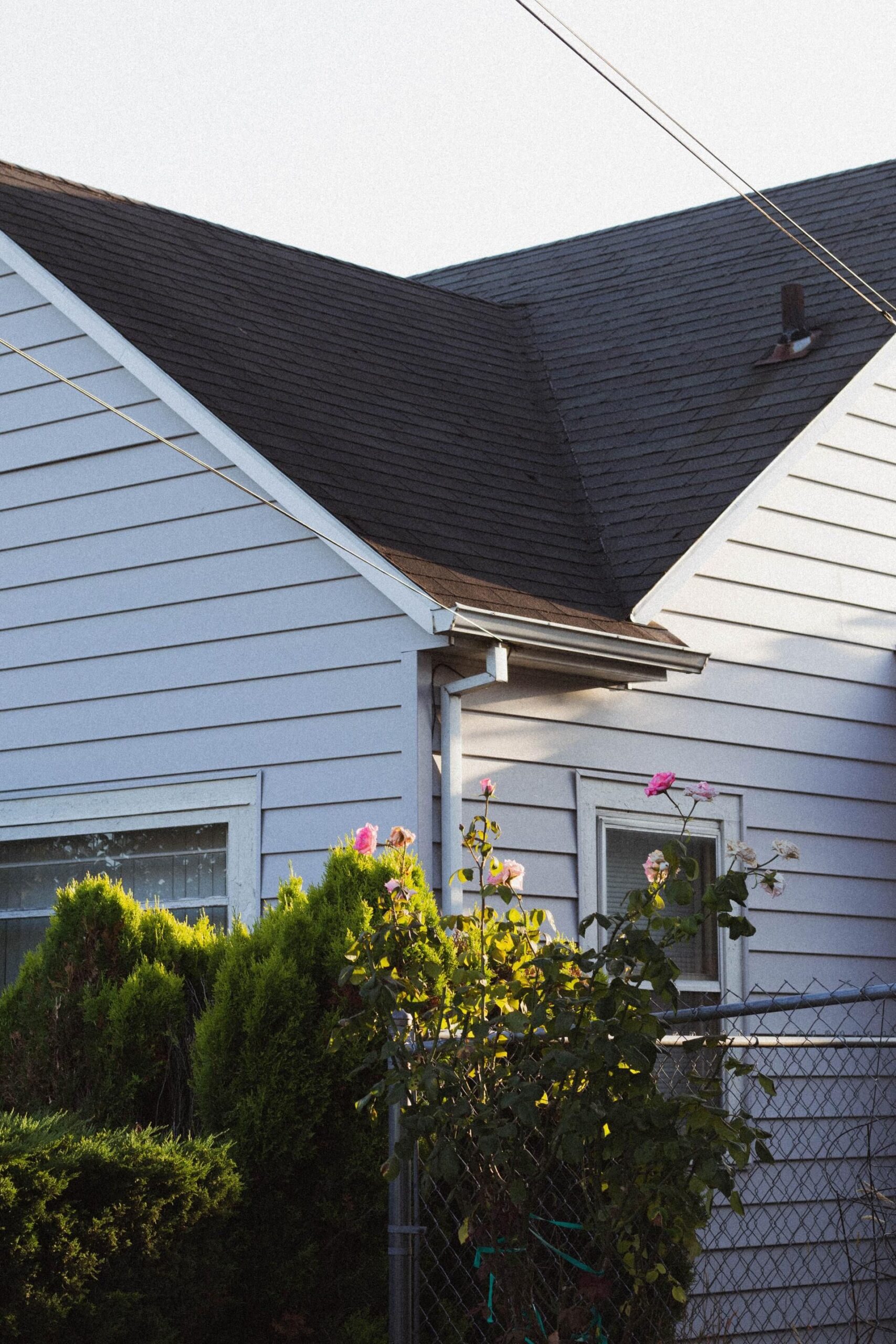
- Shingles are cracked, curling, missing, or severely worn. NJ Trusted Roofers
- Water stains or leaks inside your home. NJ Trusted Roofers
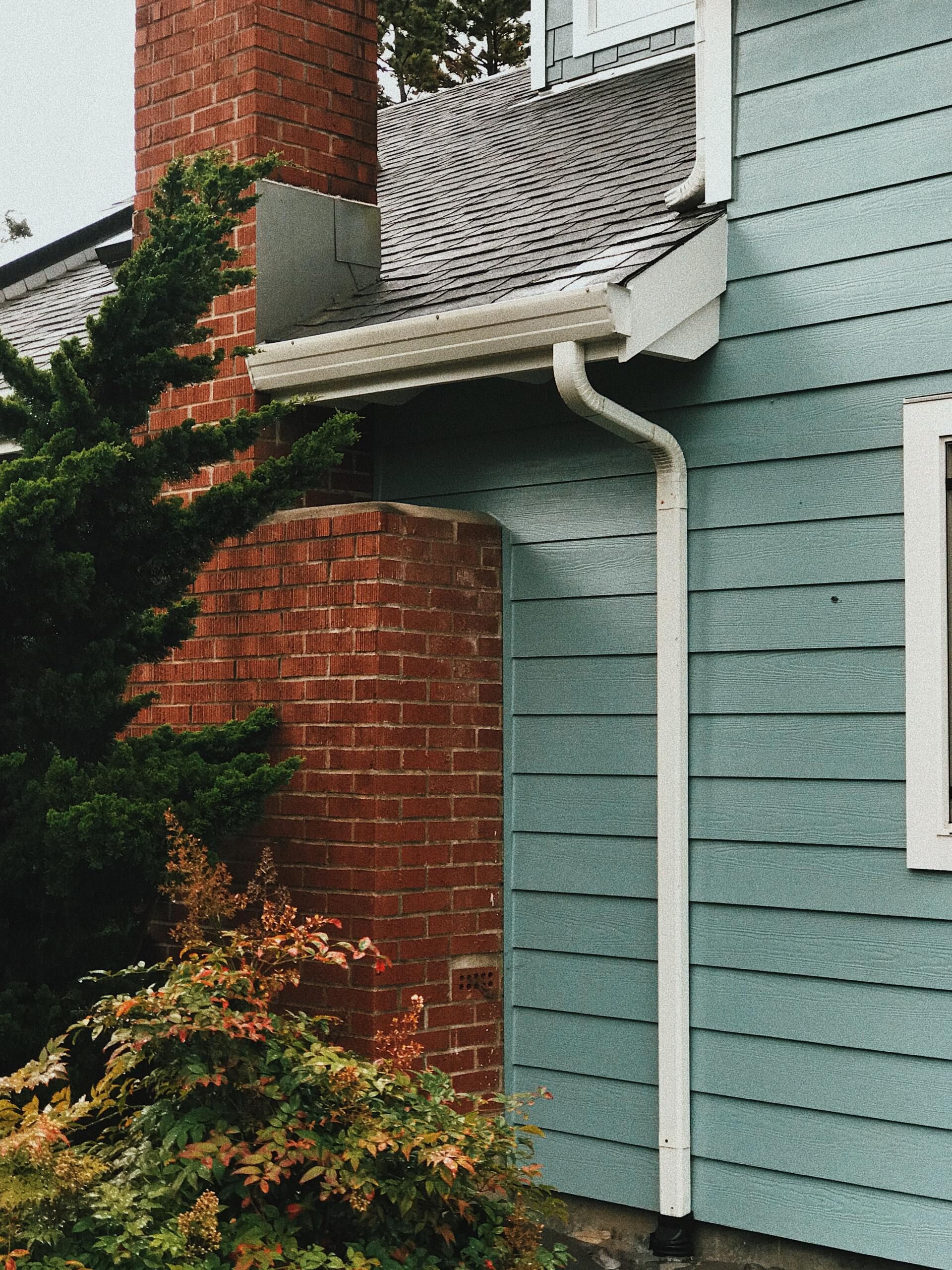
- Shingle granules in gutters are a sign your roof is breaking down. NJ Trusted Roofers
Addressing these signs early helps protect your home’s structure, insulation, and interior finishes.
2. Understand Your Roofing Material Options
Choosing the right roofing material affects cost, durability, maintenance, and even your home’s energy efficiency. Here’s a snapshot of popular choices:
🟤 Asphalt Shingles – Most Common
- Cost-effective and widely available.
- Lifespan: typically 15–30 years depending on quality. State Farm+1
- Easy to install and repair.
✔ Great choice for most homes and budgets.
⚙️ Metal Roofing – Long-Lasting & Durable
- Reflects heat and resists weather and fire.
- Lifespan: approx. 40–70+ years. State Farm+1
- Higher upfront cost but strong long-term performance.
✔ Excellent option for energy savings and longevity.
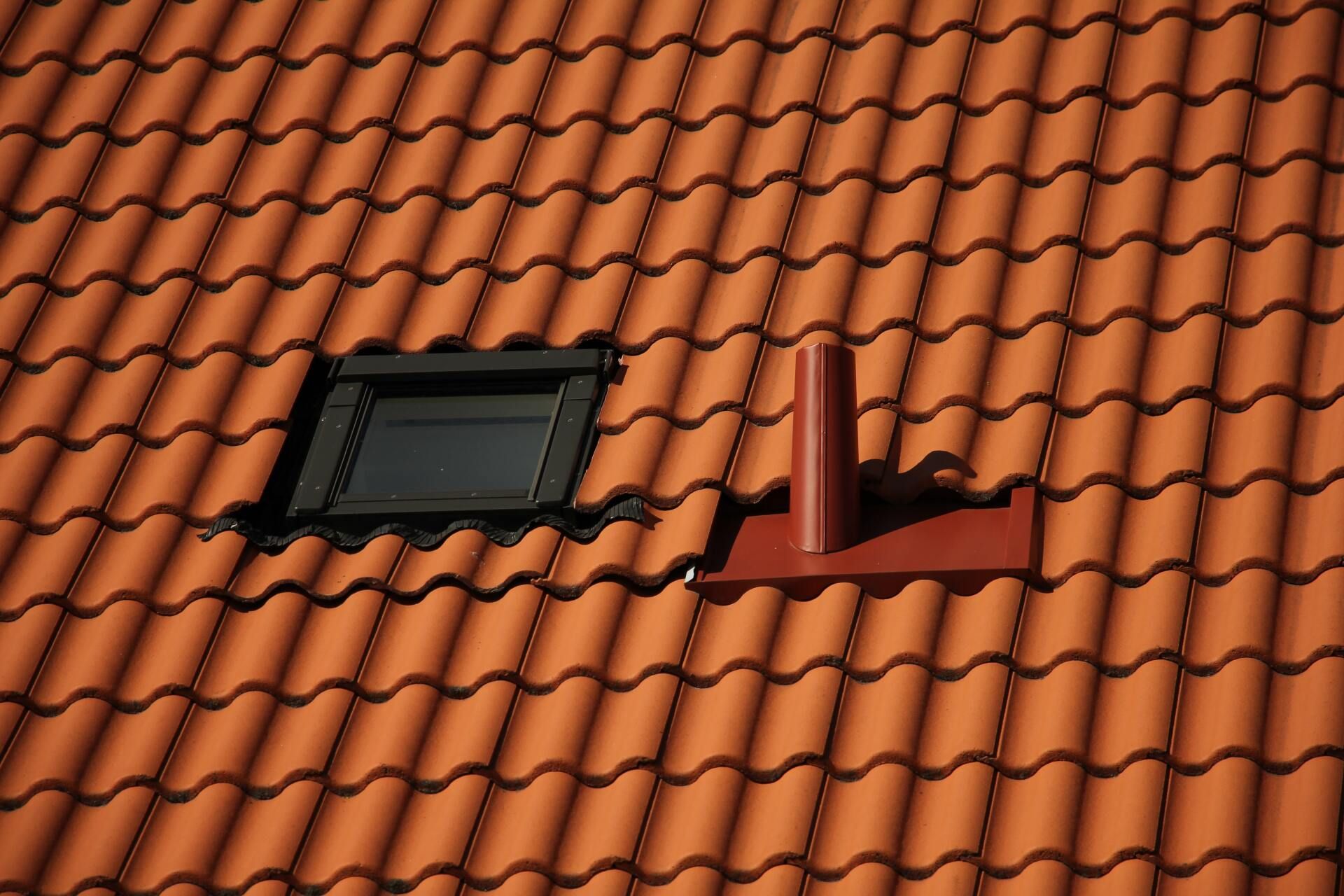
🟫 Clay or Concrete Tile – Classic & Durable
- Very long lifespan (often 50–100+ years). State Farm
- Great aesthetic appeal, especially for specific architectural styles.
⚠ Heavier weight may require roof reinforcement.
🟨 Slate – Premium & Long-Lasting
- One of the most durable materials with a very long lifespan. Protect Preserve Roofing
- Elegant and timeless, but one of the most expensive options.
🪵 Wood Shakes/Shingles – Natural Look
- Rustic appeal with moderate durability (20–40 years). Today’s Homeowner
⚠ Higher maintenance and potentially less fire resistance.
3. Roof Cost Basics — Upfront vs. Long-Term Value
Roof replacement costs vary widely based on materials, roof size, pitch, labor, and complexity. Rough national averages include: Roof Replacement Cost
| Material Type | Average Total Replacement Cost | Lifespan |
|---|---|---|
| Asphalt Shingles | $7,000 – $12,000 | 15–30 yrs |
| Metal Roofs | $12,000 – $30,000+ | 40–70+ yrs |
| Tile Roofs | $18,000 – $45,000+ | 50–100+ yrs |
| Slate Roofs | $25,000 – $60,000+ | 75+ yrs |
| Wood Shingles | $18,000 – $35,000+ | 25–50 yrs |
💡 While asphalt shingle roofs are typically most affordable upfront, materials like metal or tile may deliver better value over the long term due to durability and reduced maintenance needs.
4. Common Homeowner Questions (FAQs)
❓ How long will my new roof last?
It depends on the material: asphalt shingles average 15–30 years, metal roofs can last 40–70+ years, and tile or slate often outlast the house itself. State Farm
❓ Should I replace the roof decking when installing a new roof?
If decking shows rot, water damage, or weakness, replacing it during the roof job can prevent future leaks and structural issues.
Will my insurance help cover roof replacement?
If damage results from storms or hail, your homeowner’s insurance may cover part of it. Always check your policy and document roof condition thoroughly.
5. Think Beyond the Roof Surface
Choosing a roofing material is only part of the decision, you should also consider:
✔ Ventilation: Proper airflow helps prevent moisture issues and extends roof life.
✔ Underlayment & Flashing: High-quality underlayment and properly installed flashing protect against leaks.
✔ Insulation: Upgrading attic insulation during a roof project can boost energy efficiency.
A high-end material installed poorly won’t perform as expected.
🧠 Final Tips Before You Decide
👉 Don’t choose based on price alone. Cheap roofs can cost more over time due to frequent repairs and shorter lifespans.
👉 Consider regional climate. Some materials perform better in heat, others in snow or wind.
👉 Get multiple written estimates. Compare materials, warranties, and timelines.
👉 Ask about warranties. Good roofing systems include manufacturer warranties on materials and workmanship warranties from your contractor.
Need Help Choosing the Right Roof?
Roof replacement is a major decision, and no two homes are the same. At ETC Services in Frederick, MD, we’re here to help you weigh options, understand costs, and make a choice that protects your home for decades.