How Important Is Chimney Flashing When Replacing a Roof?
When homeowners think about replacing their roof, they usually focus on shingles, colors, warranties, and cost. One of the most important parts of a successful roof replacement is something that often gets overlooked – chimney flashing. Chimney flashing may not be the most noticeable part of your new roof, but it plays a major role in protecting your home from water damage. In fact, the area where a chimney meets the roof is one of the most common places for roof leaks to develop.
What Is Chimney Flashing?
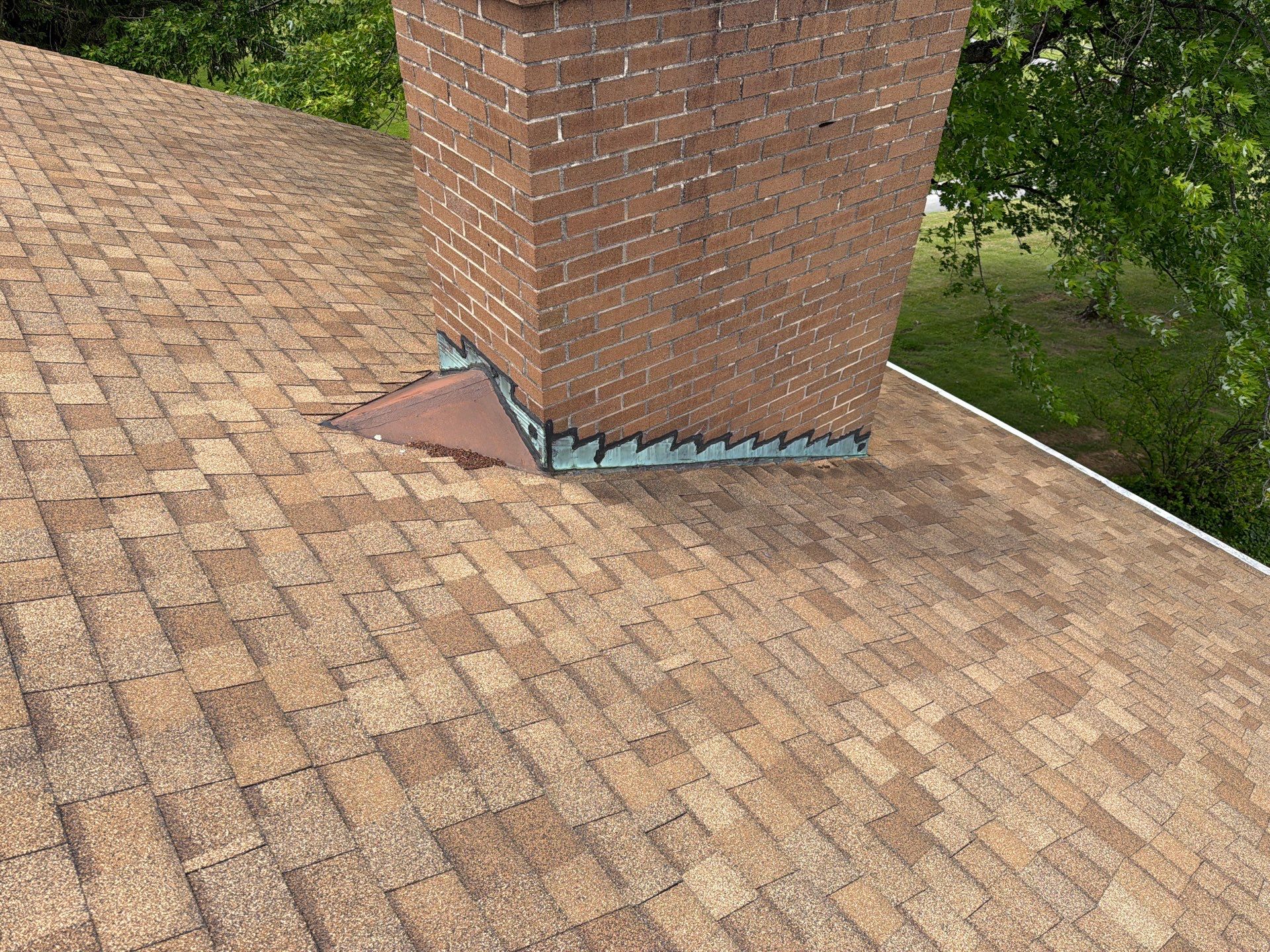
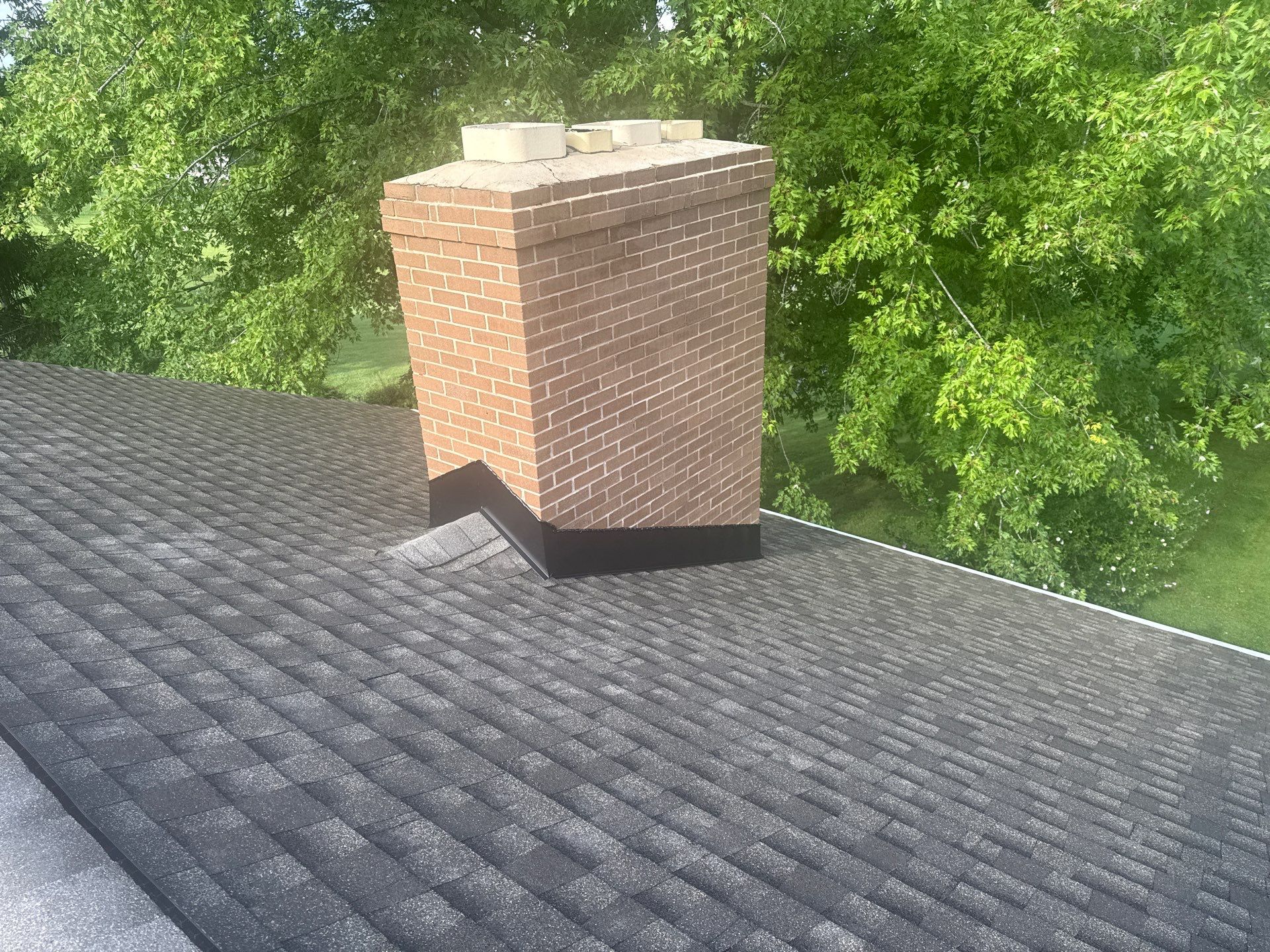
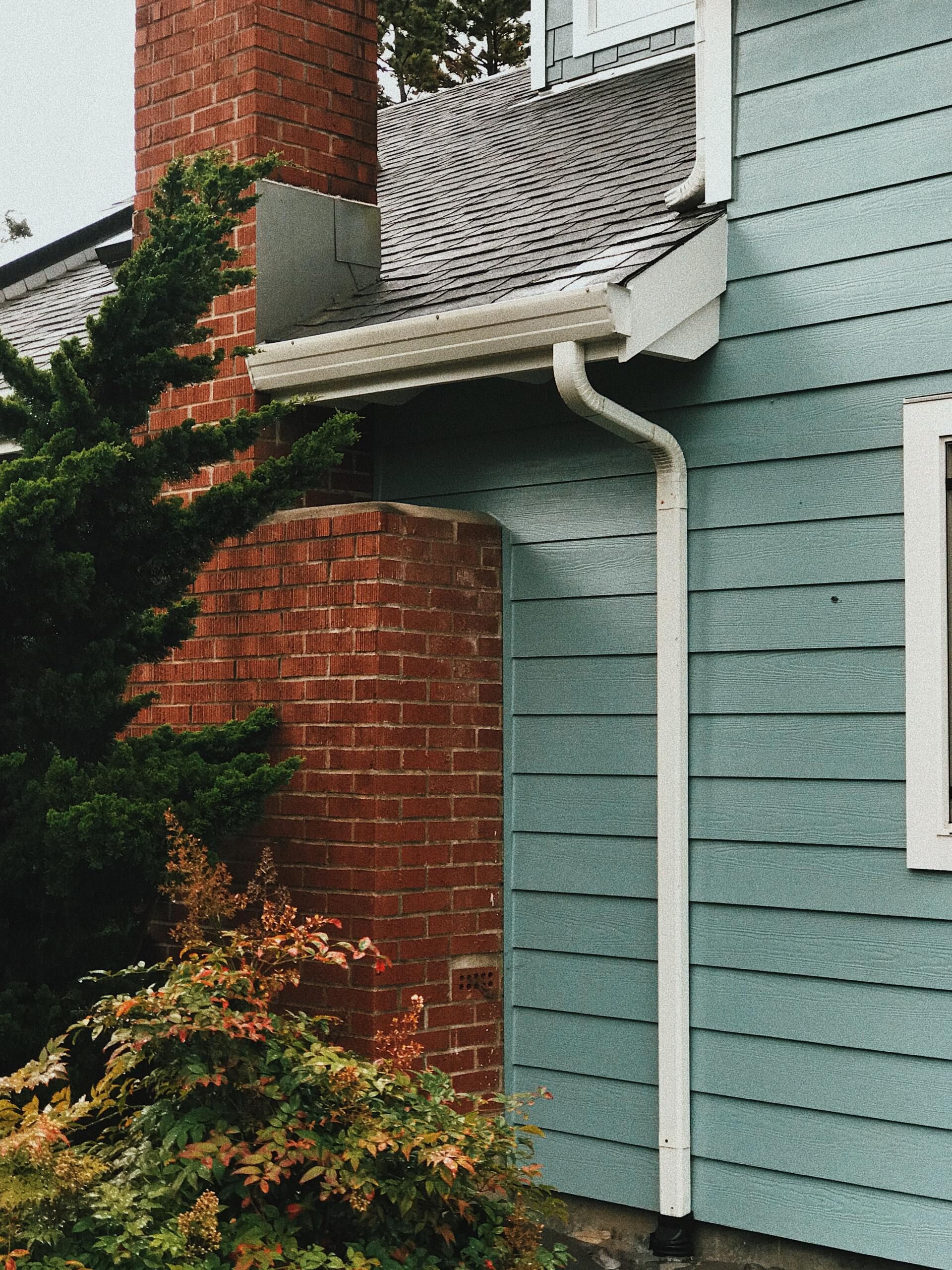
Chimney flashing is a system of metal pieces installed where the chimney meets the roof. Its purpose is to create a watertight transition between two very different materials—the roofing system and the chimney masonry. A chimney interrupts the natural flow of rainwater down the roof so water has to be carefully redirected around it. Properly installed flashing helps prevent that water from getting underneath the shingles or entering the home around the chimney. A complete chimney flashing system may include:
- Step flashing along the sides of the chimney
- Apron flashing along the front, or downhill side
- Back-pan flashing behind the chimney
- Counterflashing that protects the flashing where it meets the masonry
- A chimney cricket, when appropriate, to divert water around the uphill side of the chimney
Each component works together to move water safely away from this vulnerable area.
Should Chimney Flashing Be Replaced With a New Roof?
When an old roof is removed, the chimney flashing should always be carefully inspected. In some situations, portions of an existing flashing system may still be serviceable. However, damaged, rusted, improperly installed, or heavily patched flashing shouldn’t simply be covered up by new shingles. Installing a brand-new roofing system while ignoring questionable chimney flashing can leave one of the most leak-prone areas of the roof unprotected. A professional roofing contractor should evaluate the flashing after the old roofing materials are removed and determine what needs to be replaced or corrected.
Can Caulk Be Used as a Substitute for Flashing?
Caulk and roofing cement can be useful in certain roofing applications, but they shouldn’t be the primary defense against water around a chimney. Sealants eventually dry out, crack, separate, and deteriorate from exposure to sunlight and changing temperatures. A properly designed flashing system relies primarily on the way the metal components overlap and direct water—not on large amounts of caulk to keep the roof from leaking. If the flashing around a chimney has been repeatedly covered with roofing cement or sealant, it may be a sign that the underlying flashing system needs attention.
What About a Chimney Cricket?
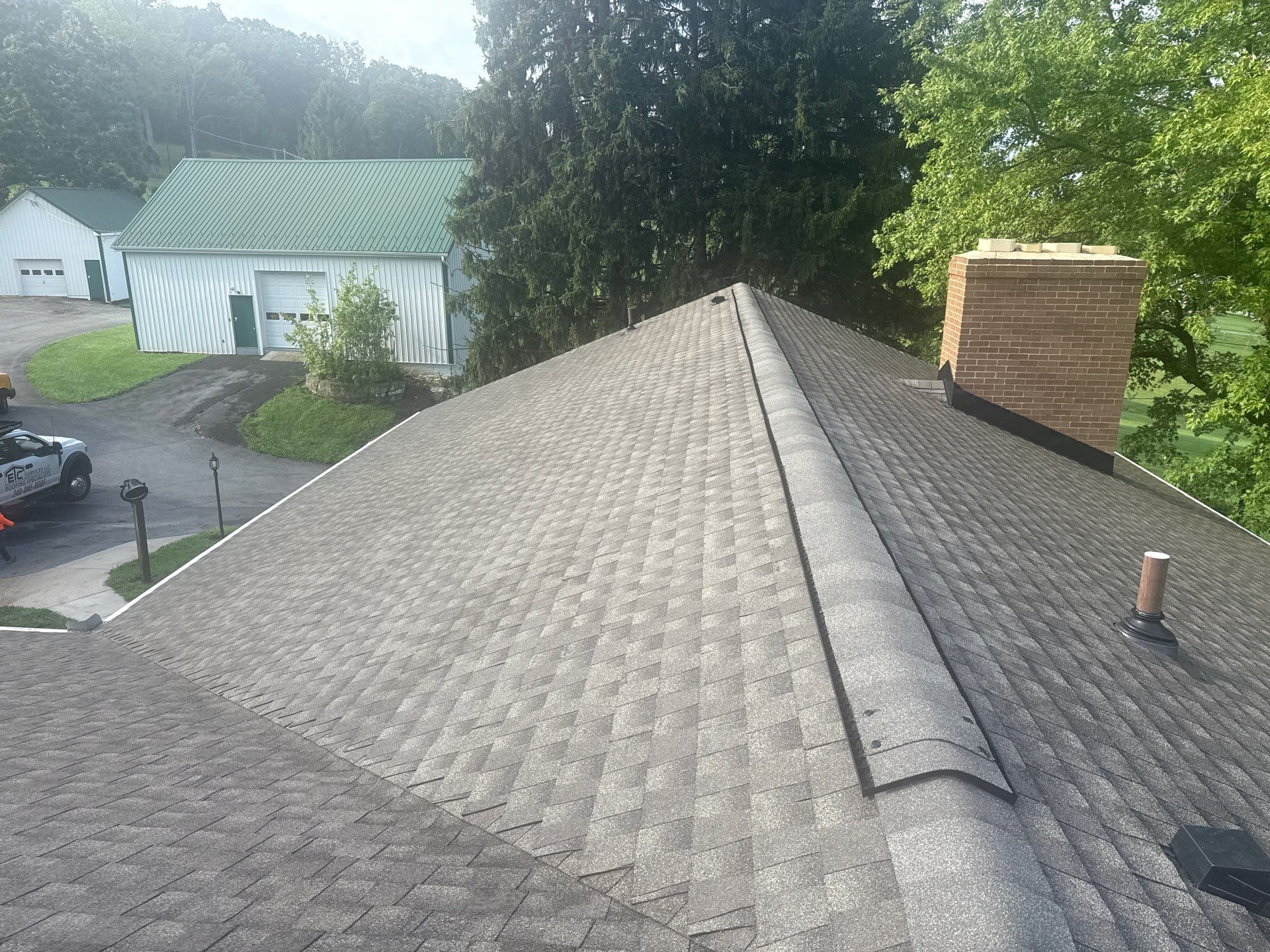
A chimney cricket is a small, peaked structure installed on the uphill side of a chimney. Instead of allowing rainwater, snow, leaves, and debris to collect behind the chimney, the cricket divides the flow and directs it toward either side. Crickets can be especially important on wider chimneys where a significant amount of water would otherwise collect against the masonry. Whether a cricket is required can depend on factors such as chimney width, roof slope, roofing material, and applicable building codes. Your roofing contractor should evaluate the chimney as part of the roof replacement.
Small Detail, Big Responsibility.
A roof is a complete system, and its performance depends on much more than the shingles you can see from the ground. Chimneys, walls, valleys, vents, skylights, and other roof penetrations all require special attention because these transitions are potential entry points for water. That’s why chimney flashing shouldn’t be treated as an afterthought during a roof replacement. When you’re getting estimates for a new roof, ask your contractor:
- Will the existing chimney flashing be inspected?
- Is new step flashing included?
- How will the counterflashing be handled?
- Does the chimney need a cricket?
- Are any necessary masonry repairs included or separate?
Knowing these answers before work begins can help you understand exactly what’s included in your roofing project.
Protect Your Investment With a Properly Installed Roofing System.
A new roof is a major investment in your home. Proper chimney flashing helps make sure that investment does what it’s supposed to do—keep water outside and protect everything underneath it.
At ETC Services, LLC, we believe the details matter. When replacing a roof, our goal isn’t simply to install new shingles. It’s to evaluate the roofing system and address the critical areas that help protect your home from the elements.
Need your roof or chimney flashing inspected? Contact ETC Services, LLC to schedule an evaluation or request an estimate.
ETC Services, LLC
240-ONE-ROOF
www.etcroofing.com